
Fungal Nails (Onychomycosis) Podiatry Treatment in Hove and Southwick
Fungal nail infection, medically known as onychomycosis, is a common condition that affects the toenails and is frequently treated by a podiatrist. At Podiatrust, we assess and manage fungal nail infections using evidence-based treatments designed to improve nail health and prevent recurrence.
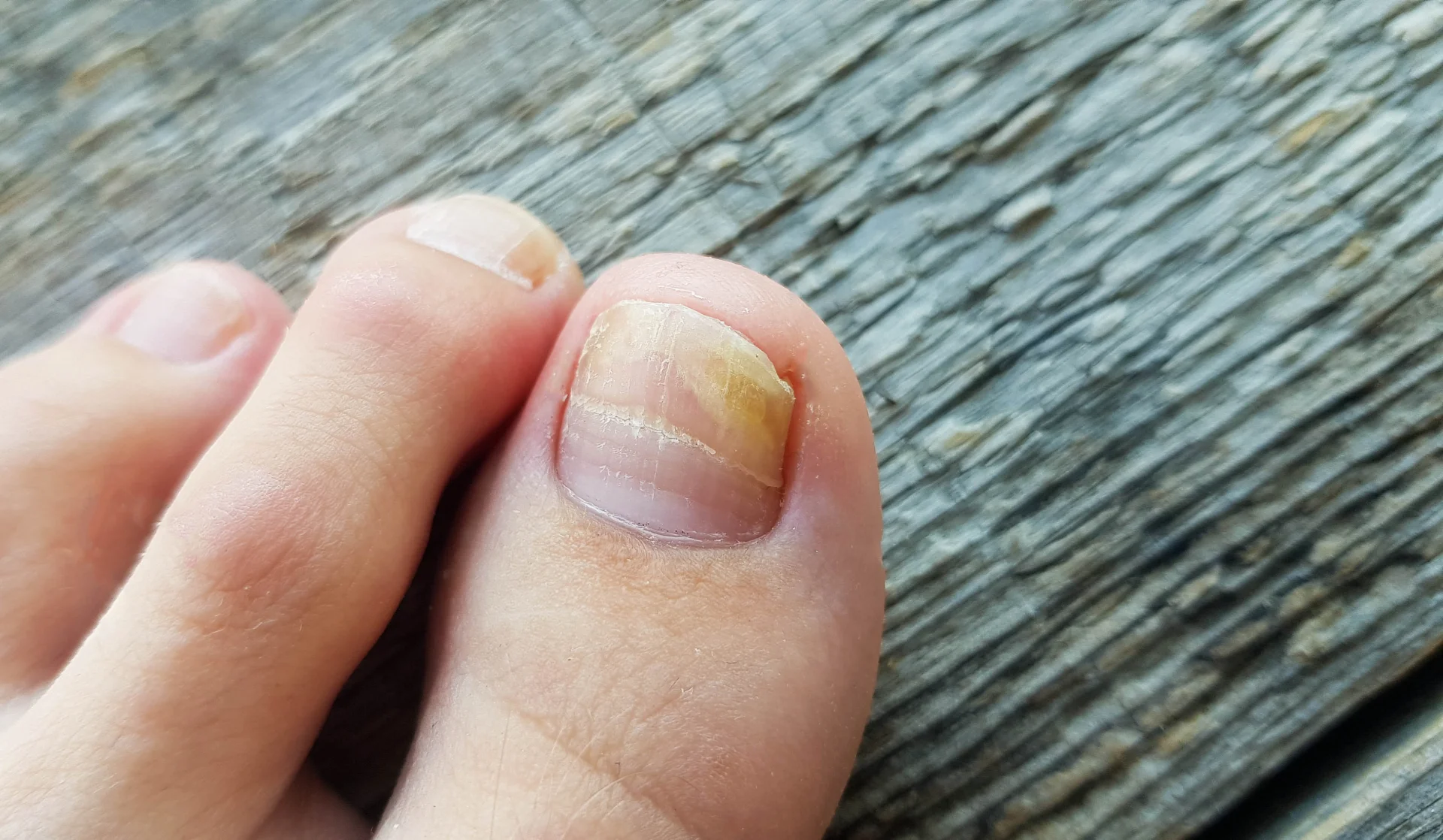
Fungal nails often develop gradually and may cause the nail to become discoloured, thickened, brittle, or misshapen. In some cases, the nail may lift away from the nail bed or produce an unpleasant odour. While fungal nail infections are not usually dangerous, they can become uncomfortable, difficult to manage, and may worsen over time without professional treatment.

Causes and Risk Factors of Fungal Nails
Fungal nail infections are caused by dermatophyte fungi, which thrive in warm, moist environments. Common sources include communal swimming pools, changing rooms, and shared footwear. Risk factors include: